
Asians
Bone mineral density (BMD) and fracture rates vary among women of differing ethnicities. Most reports suggest that BMD is highest in African-Americans, lowest in Asians, and intermediate in Caucasians, yet Asians have lower fracture rates than Caucasians.
Leia mais
Among white Americans, 9 percent have osteoporosis and 42.9 percent have low bone mass. Among Mexican Americans, 13.1 percent have osteoporosis and 42.2 percent have low bone mass. Among black Americans, 4.2 percent have osteoporosis and 29.7 percent have low bone mass.African
Individuals of African descent have higher bone density and fewer fractures than Caucasians, whereas Asians have lower fracture rates despite lower bone density.

Do Hispanics have high bone density
It is a commonly held belief that Hispanics have a lower risk of osteoporosis compared with non-Hispanic whites. However, recent data have shown that Hispanics may have a similar(7–9) or even higher prevalence of osteoporosis than non-Hispanic whites.
Although Asians have lower areal bone mineral density (aBMD, g/cm2) (by dual‐energy X‐ray absorptiometry [DXA]),(1–3) rates of hip and wrist fractures are lower among Asian compared with white adults,(1,4,5) and fracture incidence is also lower in Asian children and adolescents compared with their white peers.black
This may be related to differences in body composition, which is known to differ between ethnic groups. 62, 105 More specifically, black adults were found to have a relatively higher muscle mass (leading to a lower sarcopenia prevalence) compared to whites and Asians.This may be related to differences in body composition, which is known to differ between ethnic groups. 62, 105 More specifically, black adults were found to have a relatively higher muscle mass (leading to a lower sarcopenia prevalence) compared to whites and Asians.
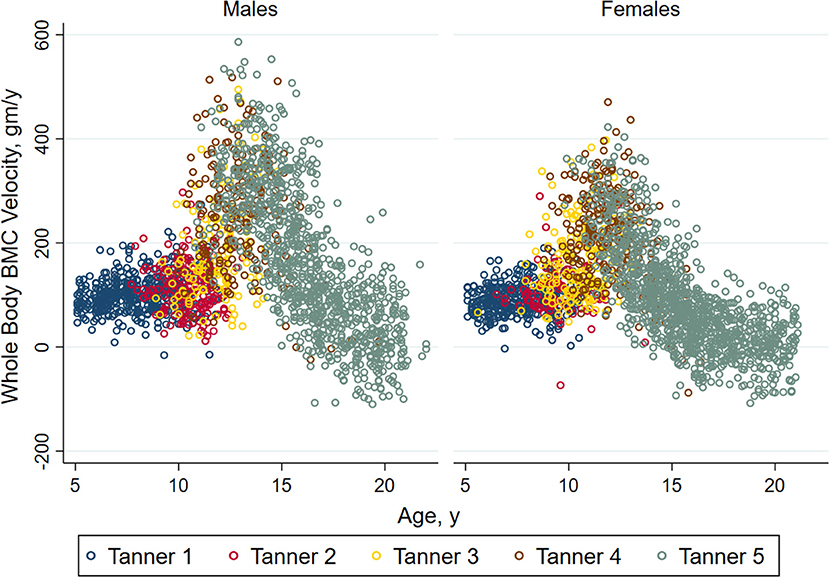
A recent study, published in the Journal of the American Geriatrics Society, found Native Americans have denser bones than Caucasians, yet they don't eat a lot of dairy foods. Hip and other bone fractures are often the result of weak bones, caused by osteoporosis, a degenerative bone disease.
Do different races have different bones
The most recent studies also demonstrate that bone structure and microarchitecture are different in ethnic groups and these variations are likely to contribute to the ethnic differences in fracture rates.
DLX3 belongs to the so-called homeobox genes, which regulate the development of tissues including hair follicles, bone, and teeth buds.
Asian and black skin has thicker and more compact dermis than white skin, with the thickness being proportional to the degree of pigmentation. This likely contributes to the lower incidence of facial rhytides in Asians and blacks.
Leia mais

Asian Americans were the most active of all ethnic groups that year.
…
Prevalence of physical inactivity among adults in the U.S. as of 2020, by ethnicity*
| Characteristic | Percentage of U.S. adults |
|---|---|
| Non-Hispanic White | 20.9% |
| Non-Hispanic Black | 28.2% |
| Hispanic | 30.6% |
| Asian | 20.4% |
Asian women had the lowest SM values while African American showed the highest values of SM throughout the age range studied (P < 0.05). Also, African American women displayed the greatest negative association of SM with age throughout the age range studied.Although Asians have lower areal bone mineral density (aBMD, g/cm2) (by dual‐energy X‐ray absorptiometry [DXA]),(1–3) rates of hip and wrist fractures are lower among Asian compared with white adults,(1,4,5) and fracture incidence is also lower in Asian children and adolescents compared with their white peers.The most recent studies also demonstrate that bone structure and microarchitecture are different in ethnic groups and these variations are likely to contribute to the ethnic differences in fracture rates.
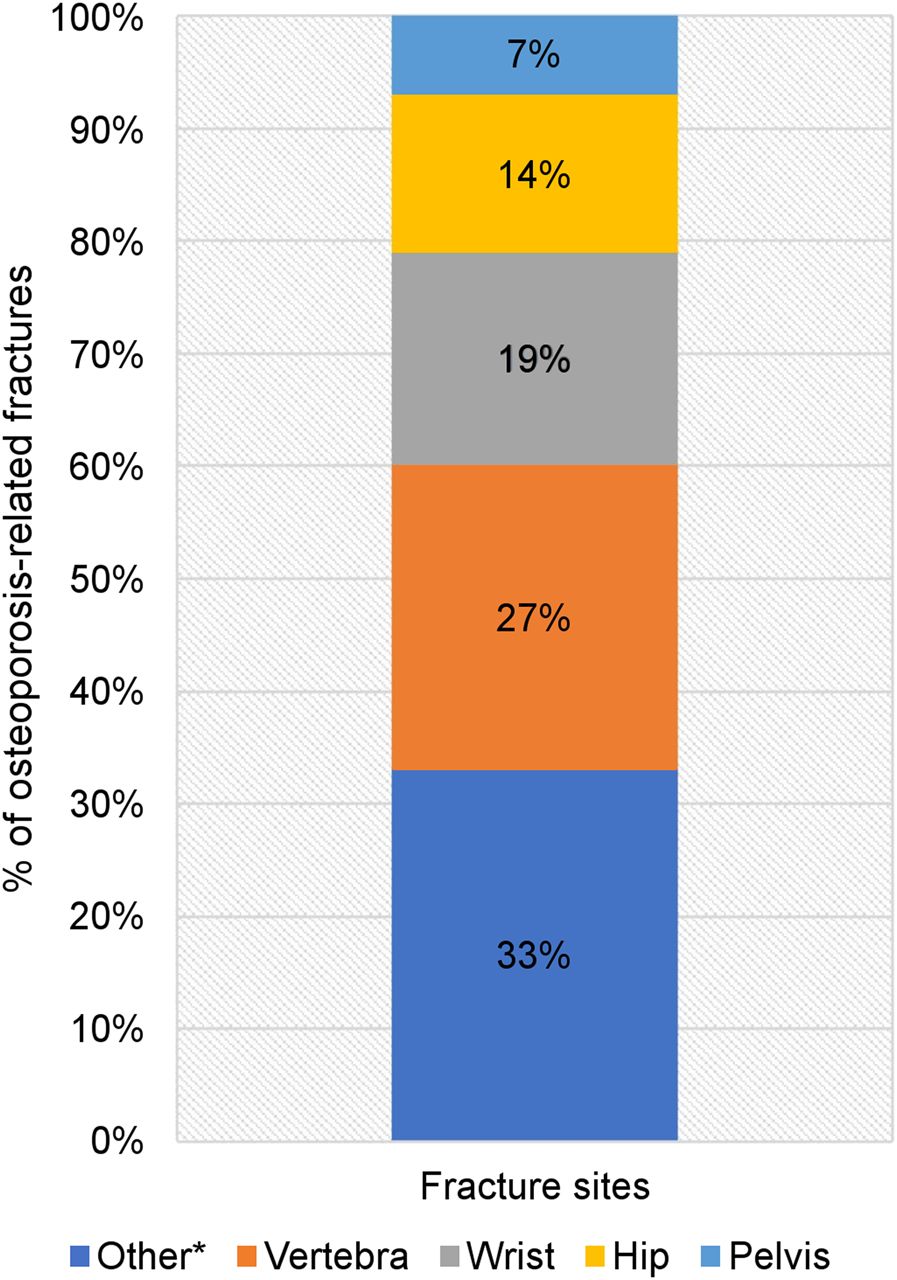
black adults
This may be related to differences in body composition, which is known to differ between ethnic groups. 62, 105 More specifically, black adults were found to have a relatively higher muscle mass (leading to a lower sarcopenia prevalence) compared to whites and Asians.LRP5 gene
Unbreakable bones – the LRP5 gene
Through blood samples provided by 20 family members and DNA mapping they discovered a gene mutation in LRP5 that was causing the 'unbreakable' bones.More than 40 million people nationwide either have osteoporosis or are at increased risk for broken bones because of low bone mineral density (osteopenia). Past studies suggest that genetic differences may account for more than half the variance in bone mineral density between people.Japan, China and other countries located in Asia have a rich diet of vitamins (specifically A and C, which benefit skin elasticity) and minerals including antioxidants from fruits and green tea. The Asian diet is very low in saturated and total fat.

Asians have thicker skin because we have a thicker dermis due to larger and more numerous collagen-producing cells (known as fibroblasts) in this second layer of our skin. All those extra fibroblasts produce extra collagen which helps to preserve our skin's elasticity.This may be related to differences in body composition, which is known to differ between ethnic groups. 62, 105 More specifically, black adults were found to have a relatively higher muscle mass (leading to a lower sarcopenia prevalence) compared to whites and Asians.Life expectancy: 82.5
Scandinavian countries are renowned for their healthy lifestyles, and Sweden takes it to the next level. There are tons of reasons why Swedes are some of the healthiest people in the world, but the Scandinavian diet is one of the most influential.In 2021, black adults had the highest obesity rates of any race or ethnicity in the United States, followed by American Indians/Alaska Natives and Hispanics. As of that time, around 44 percent of all black adults were obese.

Asian Americans were the most active of all ethnic groups that year.
…
Prevalence of physical inactivity among adults in the U.S. as of 2020, by ethnicity*
| Characteristic | Percentage of U.S. adults |
|---|---|
| Non-Hispanic White | 20.9% |
| Non-Hispanic Black | 28.2% |
| Hispanic | 30.6% |
| Asian | 20.4% |
It's well known that there's a direct correlation between bone density and body weight. Thin people generally get lower bone density readings on DEXA scans, and as a group, people whose body mass index classifies them as “underweight” experience more hip fractures than persons of “normal” weight.