
The rates of diagnosed diabetes in adults by race/ethnic background are:
- 14.5% of American Indians/Alaskan Natives.
- 12.1% of non-Hispanic blacks.
- 11.8% of Hispanics.
- 9.5% of Asian Americans.
- 7.4% of non-Hispanic whites.
Leia mais
Asian Indians have the highest diabetes prevalence rate (14.2%), whereas Asian Americans from Korea and Japan have the lowest diabetes prevalence rates 4.0% and 4.9%, respectively.
…
Table 2.
| Race/ Ethnicity | Men (%) | Women (%) |
|---|---|---|
| Mexican | 19.3 | 18.5 |
| Puerto Rican | 16.2 | 19.4 |
| Central American | 16.3 | 17.9 |
| South American | 10.1 | 9.8 |
Race/ethnicity: Certain ethnicities have a higher rate of type 1 diabetes. In the United States, Caucasians seem to be more susceptible to type 1 than African-Americans and Hispanic-Americans. Chinese people have a lower risk of developing type 1, as do people in South America.

Which ethnicity has the highest rate of type 2 diabetes
The prevalence of diagnosed type 2 diabetes by racial/ethnic group is as follows: Asians 9.0%, African Americans 13.2%, Hispanic 12.8%, and non-Hispanic whites 7.6%.
…
TABLE 2.
| Medication | Observed Racial/Ethnic Difference |
|---|---|
| Linagliptin | A1C reductions of 0.63% in Hispanics (17) and 0.58% in African Americans (18) |
The typical ethnic background of the Asian population involves a lower body mass index (BMI) with more visceral fat, a young age of diabetes onset, and significant historical changes during the past decades; all of these factors could contribute to a high prevalence of diabetes [2,3,4,5,6,7,8].You're at risk for type 2 diabetes if you:
- Have prediabetes.
- Are overweight.
- Are 45 years or older.
- Have a parent, brother, or sister with type 2 diabetes.
- Are physically active less than 3 times a week.
- Have ever had gestational diabetes (diabetes during pregnancy) or given birth to a baby who weighed over 9 pounds.
You can prevent or delay type 2 diabetes with proven, achievable lifestyle changes—such as losing a small amount of weight and getting more physically active—even if you're at high risk. Read on to find out about CDC's lifestyle change program and how you can join.

Puerto Ricans are 1.8 times as likely as whites to have diabetes. Some researchers hypothesize this can be explained by the “thrifty gene hypothesis.” "People whose ancestors came from areas where there were periodic famines became more efficient at storing calories,” said Dr.
What culture is most affected by diabetes
People of certain racial and ethnic groups are more likely to develop prediabetes and type 2 diabetes, including African American, Hispanic or Latino, and Asian American people. Learn why risk for Hispanic or Latino people is higher, and some ways to prevent type 2 diabetes or manage diabetes if you already have it.
Findings suggest that consuming ≥450g of white rice daily among South Asians were 61% at a higher risk for incident diabetes compared to 20% globally who consumed the same amount of rice.
Type 2 diabetes—the most common form of diabetes—is caused by several factors, including lifestyle factors and genes.
- Overweight, obesity, and physical inactivity.
- Insulin resistance.
- Genes and family history.
- Insulin resistance.
- Genes and family history.
- Genetic mutations.
- Hormonal diseases.
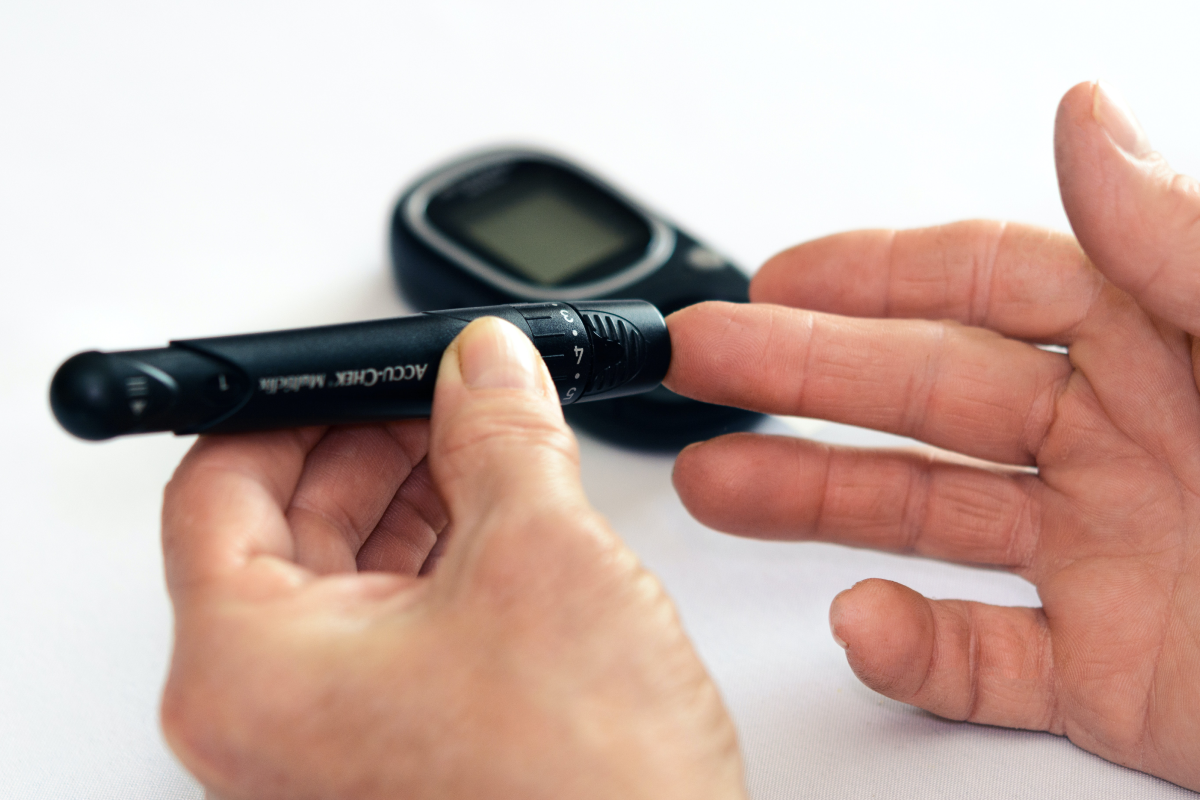
- Excessive Urination.
- Increased Thirst or a Dry Mouth.
- Unexpected Weight Loss.
- You Feel Hungry All The Time.
- Foot Pain and Numbness.
- Frequent Infections and Feminine Health Issues.
- Blurred Vision Could Be a Result of Rapid Blood Sugar Changes.
Choose these foods and drinks more often:
- Non-starchy vegetables such as peppers, mushrooms, asparagus, broccoli, and spinach.
- Fruits.
- Lean protein such as fish, chicken, turkey, tofu, eggs, and yogurt.
- Whole grains such as quinoa, brown rice, and steel-cut oatmeal.
- Water and unsweetened beverages.
The 10 Best Foods to Control Diabetes and Lower Blood Sugar
- Non-Starchy Vegetables. Non-starchy vegetables are one of the most healthy foods you can eat as a diabetic.
- Leafy Greens.
- Fatty Fish.
- Nuts and Eggs.
- Seeds.
- Natural Fats.
- Apple Cider Vinegar.
- Cinnamon and Turmeric.
Rising rates of obesity combined with a genetic predisposition for Type 2 diabetes has caused a slow steady rise in the condition in Mexico over the last 40 years. Now roughly 14 percent of adults in this country of 120 million are living with what can be a devastating and even fatal health condition.

Type 2 diabetes has a stronger link to family history and lineage than type 1, and studies of twins have shown that genetics play a very strong role in the development of type 2 diabetes. Race can also play a role. Yet it also depends on environmental factors.The prevalence of diabetes is rising globally, particularly type 2 diabetes. Pakistan, French Polynesia, and Kuwait have the highest prevalence rates. African countries have the lowest rates.Dietary patterns
White rice is the staple food of Japanese people. Unlike brown rice, white rice is devoid of dietary fiber and vitamins. Dietary fiber and vitamins act as protective factors against type 2 diabetes.Potatoes primarily contain starches and generally have a high glycemic index (GI) and glycemic load (GL) (2,3). Because a higher GI and GL of an overall diet is associated with a higher risk of type 2 diabetes (T2D) (4,5), greater potato consumption has the potential to increase risk for T2D.

Advertisement
- Lose extra weight. Losing weight reduces the risk of diabetes.
- Be more physically active. There are many benefits to regular physical activity.
- Eat healthy plant foods. Plants provide vitamins, minerals and carbohydrates in your diet.
- Eat healthy fats.
- Skip fad diets and make healthier choices.
10 Silent Symptoms of Diabetes
- Frequent urination. Most people urinate four to seven times in a day.
- Excessive thirst.
- Extreme hunger.
- Weakness/fatigue.
- Pins and needles.
- Blurry vision.
- Itchy skin.
- Slow healing wounds and increased skin infections.
Stage 1. This stage, defined as insulin resistance, is where muscle, fat, and liver cells become resistant to insulin and have trouble bringing glucose into the cell. But the pancreas compensates for this by producing more insulin, which helps keep blood sugar levels within normal range.Some studies suggest that drinking coffee — whether caffeinated and decaffeinated — may actually reduce your risk of developing type 2 diabetes. If you already have diabetes, however, the impact of caffeine on insulin action may be associated with higher or lower blood sugar levels.

Fats, Oils, and Sweets
Anything with trans fat in it. It's bad for your heart. Check the ingredient list for anything that's “partially hydrogenated,” even if the label says it has 0 grams of trans fat. Big portions of saturated fats, which mainly come from animal products but also are in coconut oil and palm oil.10 foods to avoid if you have diabetes
- Processed meats.
- Full-fat dairy products.
- Packaged snacks and processed baked goods.
- White carbohydrates.
- Sweetened breakfast cereals.
- Dried fruits.
- French fries.
- Higher-fat cuts of meat.