
Most reports suggest that BMD is highest in African-Americans, lowest in Asians, and intermediate in Caucasians, yet Asians have lower fracture rates than Caucasians.
Leia mais
Bone density at all skeletal sites was statistically significantly greater in black than in white subjects; on average, adjustment for covariates reduced the percentage density differences by 42% for men and 34% for women.Prevalence of osteoporosis and low bone mass (osteopenia) varies among racial and ethnic groups in the United States. Among white Americans, 9 percent have osteoporosis and 42.9 percent have low bone mass. Among Mexican Americans, 13.1 percent have osteoporosis and 42.2 percent have low bone mass.
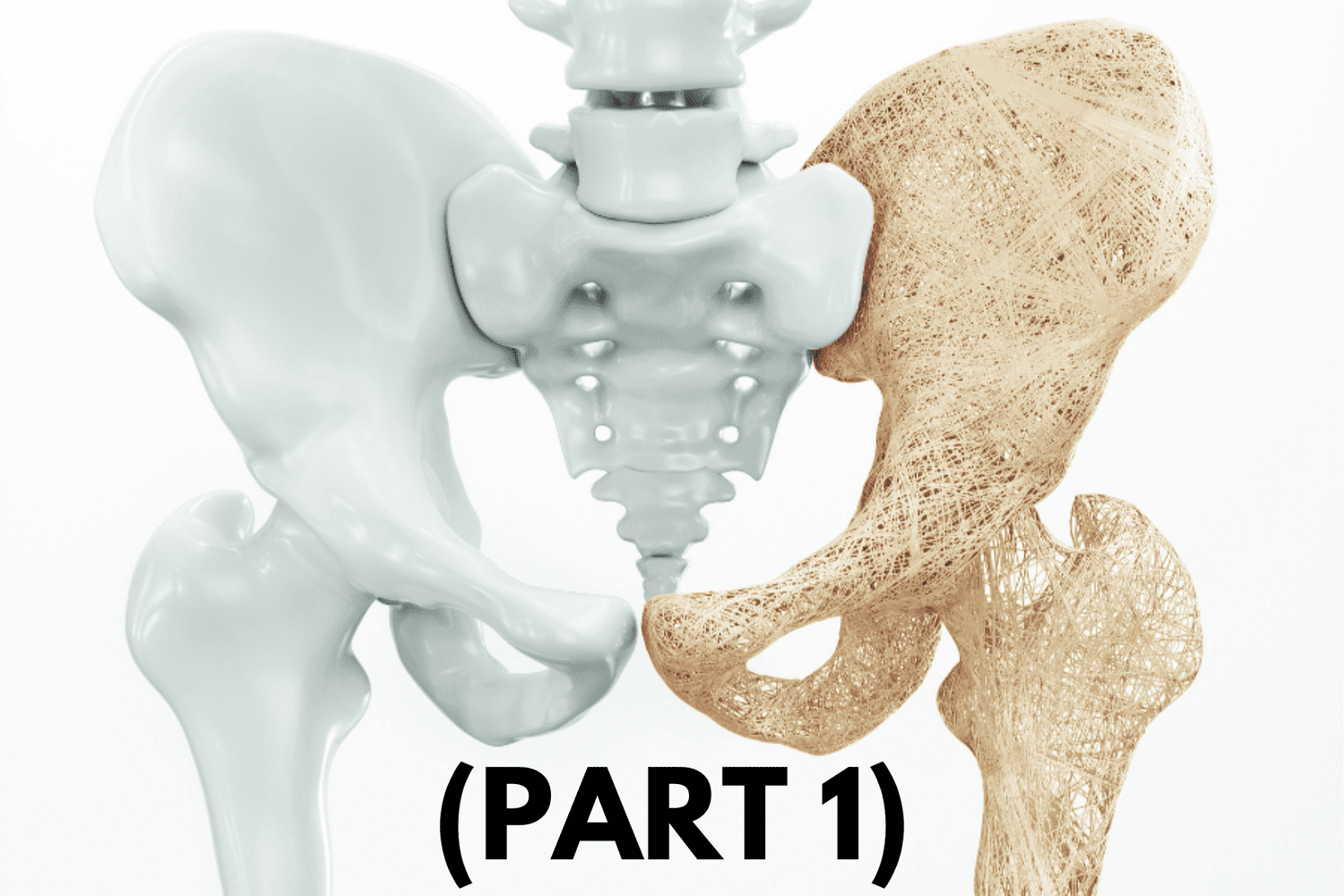
Do Hispanics have high bone density
It is a commonly held belief that Hispanics have a lower risk of osteoporosis compared with non-Hispanic whites. However, recent data have shown that Hispanics may have a similar(7–9) or even higher prevalence of osteoporosis than non-Hispanic whites.
Bone biopsy studies show that blacks have greater bone volume. The rate of fractures and cardiovascular diseases are also less frequent. Further studies are required to better understand the cellular and molecular bases of these racial differences in bone mineral metabolism and thus better treat patients.This may be related to differences in body composition, which is known to differ between ethnic groups. 62, 105 More specifically, black adults were found to have a relatively higher muscle mass (leading to a lower sarcopenia prevalence) compared to whites and Asians.Although Asians have lower areal bone mineral density (aBMD, g/cm2) (by dual‐energy X‐ray absorptiometry [DXA]),(1–3) rates of hip and wrist fractures are lower among Asian compared with white adults,(1,4,5) and fracture incidence is also lower in Asian children and adolescents compared with their white peers.
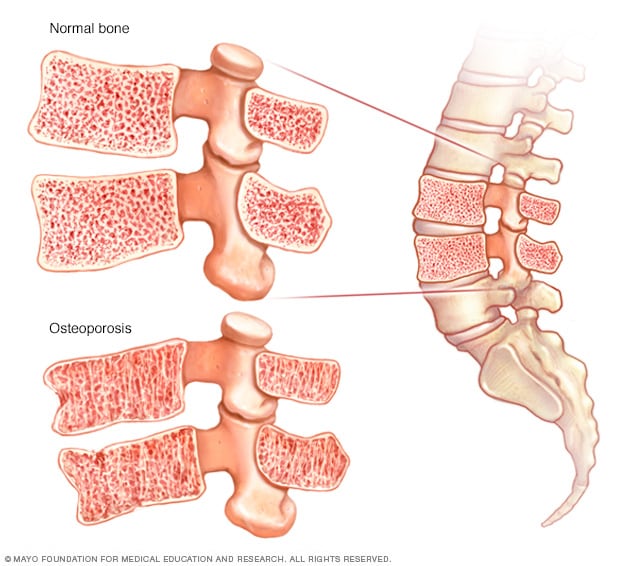
Abstract. The vitamin D paradox relates to the lower risk of osteoporosis in people of sub-Saharan African ancestry (Blacks) compared with people of European ancestry (Whites). The paradox implies that for bone health, Blacks require less vitamin D and calcium than Whites do.
Which race has the lowest bone density
Many studies indicate racial differences in areal bone mineral density (aBMD). African-Americans tend to have the greatest aBMD, followed by Caucasian, Hispanic and Native Americans. Asian Americans, on average, have the lowest aBMD.
The femur is one of the most well-described bones of the human skeleton in fields ranging from clinical anatomy to forensic medicine. Because it is the longest and strongest bone in the human body, and thus, one of the most well-preserved in skeletal remains, it makes the greatest contribution to archaeology.
Asian Americans were the most active of all ethnic groups that year.
…
Prevalence of physical inactivity among adults in the U.S. as of 2020, by ethnicity*
| Characteristic | Percentage of U.S. adults |
|---|---|
| Non-Hispanic White | 20.9% |
| Non-Hispanic Black | 28.2% |
| Hispanic | 30.6% |
| Asian | 20.4% |
Leia mais

Asian women had the lowest SM values while African American showed the highest values of SM throughout the age range studied (P < 0.05). Also, African American women displayed the greatest negative association of SM with age throughout the age range studied.Although Asians have lower areal bone mineral density (aBMD, g/cm2) (by dual‐energy X‐ray absorptiometry [DXA]),(1–3) rates of hip and wrist fractures are lower among Asian compared with white adults,(1,4,5) and fracture incidence is also lower in Asian children and adolescents compared with their white peers.Past studies suggest that genetic differences may account for more than half the variance in bone mineral density between people. Previous genome-wide association studies identified 24 genetic regions that influence bone mineral density.Past studies suggest that genetic differences may account for more than half the variance in bone mineral density between people.

Unbreakable bones – the LRP5 gene
However, a different mutation in the LRP5 gene can also cause an uncommon disorder in which bone density is greatly increased making the bones very strong and resistant to fractures.This may be related to differences in body composition, which is known to differ between ethnic groups. 62, 105 More specifically, black adults were found to have a relatively higher muscle mass (leading to a lower sarcopenia prevalence) compared to whites and Asians.Life expectancy: 82.5
Scandinavian countries are renowned for their healthy lifestyles, and Sweden takes it to the next level. There are tons of reasons why Swedes are some of the healthiest people in the world, but the Scandinavian diet is one of the most influential.Asian Americans–specifically young Asian American women– are the least likely to be overweight, reveals recent data from The Centers for Disease control and Prevention. But just because Asians are the slimmest, doesn't mean that they are less likely to suffer from hypertension or other diseases, says the CDC.

In 2021, black adults had the highest obesity rates of any race or ethnicity in the United States, followed by American Indians/Alaska Natives and Hispanics. As of that time, around 44 percent of all black adults were obese.It's well known that there's a direct correlation between bone density and body weight. Thin people generally get lower bone density readings on DEXA scans, and as a group, people whose body mass index classifies them as “underweight” experience more hip fractures than persons of “normal” weight.LRP5 gene
Unbreakable bones – the LRP5 gene
Through blood samples provided by 20 family members and DNA mapping they discovered a gene mutation in LRP5 that was causing the 'unbreakable' bones.the ages of 25 and 30
Most people will reach their peak bone mass between the ages of 25 and 30. By the time we reach age 40, we slowly begin to lose bone mass. We can, however, take steps to avoid severe bone loss over time.

Bone fragility is affected by bone mineral density (BMD), and, one of the most important factors in preventing osteoporosis is optimizing peak bone mass, which is achieved during growth in childhood and adolescence. BMD is a complex trait resulting from environmental and genetic factors.Asian women had the lowest SM values while African American showed the highest values of SM throughout the age range studied (P < 0.05). Also, African American women displayed the greatest negative association of SM with age throughout the age range studied.