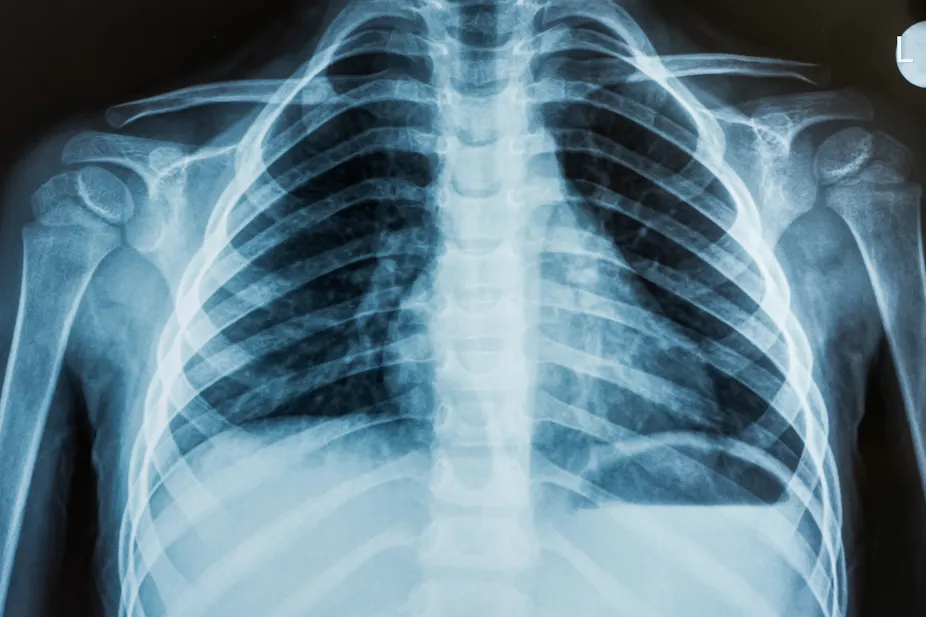
Most reports suggest that BMD is highest in African-Americans, lowest in Asians, and intermediate in Caucasians, yet Asians have lower fracture rates than Caucasians.
Leia mais
It is a commonly held belief that Hispanics have a lower risk of osteoporosis compared with non-Hispanic whites. However, recent data have shown that Hispanics may have a similar(7–9) or even higher prevalence of osteoporosis than non-Hispanic whites.Obese adults have higher BMD, thicker and denser cortices, and higher trabecular number than normal adults. Greater differences between obese and normal adults in the older group suggest that obesity may protect against age-related bone loss and may increase peak bone mass.
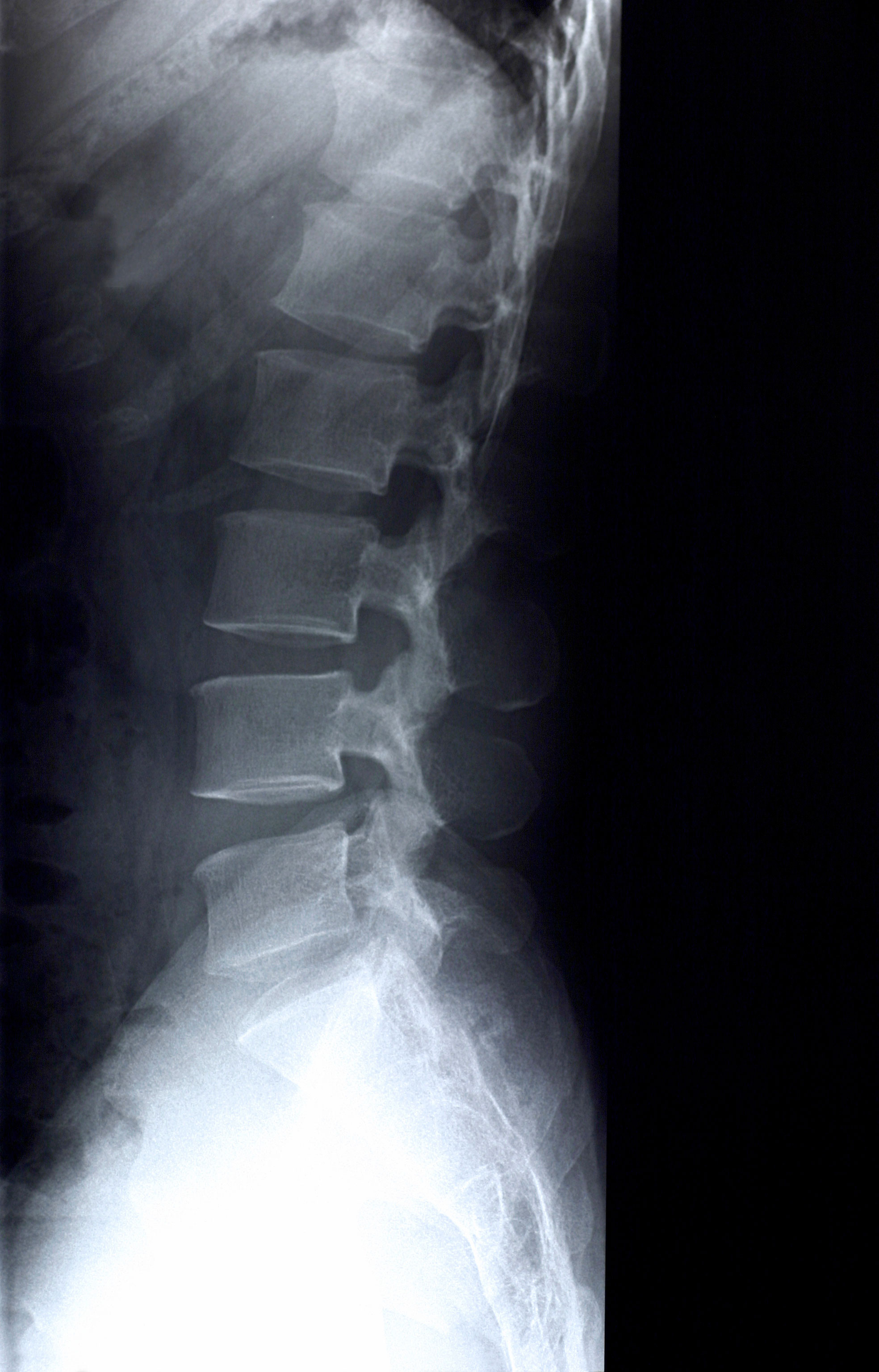
What race has osteoporosis
In addition to sex differences, there are racial and ethnic differences in risk and incidence of osteoporosis. Approximately 20% of non-Hispanic white and Asian women aged 50 years and older have osteoporosis, compared with 5% to 10% of non-Hispanic black women and 10% to 15% of Hispanic women of the same age.
Among black Americans, 4.2 percent have osteoporosis and 29.7 percent have low bone mass. African Americans have a lower risk of breaking a bone in their lifetime, compared to white Americans and other ethnic groups.Although Asians have lower areal bone mineral density (aBMD, g/cm2) (by dual‐energy X‐ray absorptiometry [DXA]),(1–3) rates of hip and wrist fractures are lower among Asian compared with white adults,(1,4,5) and fracture incidence is also lower in Asian children and adolescents compared with their white peers.Prevalence of osteoporosis and low bone mass (osteopenia) varies among racial and ethnic groups in the United States. Among white Americans, 9 percent have osteoporosis and 42.9 percent have low bone mass. Among Mexican Americans, 13.1 percent have osteoporosis and 42.2 percent have low bone mass.

Past studies suggest that genetic differences may account for more than half the variance in bone mineral density between people. Previous genome-wide association studies identified 24 genetic regions that influence bone mineral density.
Do skinny people have higher bone density
It's well known that there's a direct correlation between bone density and body weight. Thin people generally get lower bone density readings on DEXA scans, and as a group, people whose body mass index classifies them as “underweight” experience more hip fractures than persons of “normal” weight.
Results: In general, bone mineral density (BMD) as determined by the T-score was highest in mixed martial arts fighters (T-score = 3.1 ± 0.9) and football players (T-score = 2.7 ± 0.7) followed by resistance-trained (RT) males (T-score = 1.9 ± 1.2).
Bone density at all skeletal sites was statistically significantly greater in black than in white subjects; on average, adjustment for covariates reduced the percentage density differences by 42% for men and 34% for women.
Leia mais

Bone mineral density was significantly greater at the femoral neck, lumbar spine and total body among black men even after adjusting for possible confounding variables (Figure 3). Again, differences in BMD between the racial groups were on the order of one standard deviation.A recent study, published in the Journal of the American Geriatrics Society, found Native Americans have denser bones than Caucasians, yet they don't eat a lot of dairy foods. Hip and other bone fractures are often the result of weak bones, caused by osteoporosis, a degenerative bone disease.The femur is one of the most well-described bones of the human skeleton in fields ranging from clinical anatomy to forensic medicine. Because it is the longest and strongest bone in the human body, and thus, one of the most well-preserved in skeletal remains, it makes the greatest contribution to archaeology.DLX3 belongs to the so-called homeobox genes, which regulate the development of tissues including hair follicles, bone, and teeth buds.

Polynesians have higher bone mass and muscle mass than Europeans.A recent study, published in the Journal of the American Geriatrics Society, found Native Americans have denser bones than Caucasians, yet they don't eat a lot of dairy foods. Hip and other bone fractures are often the result of weak bones, caused by osteoporosis, a degenerative bone disease.It's well known that there's a direct correlation between bone density and body weight. Thin people generally get lower bone density readings on DEXA scans, and as a group, people whose body mass index classifies them as “underweight” experience more hip fractures than persons of “normal” weight.The risk of osteoporosis and fractures is different in various populations. Individuals of African descent have higher bone density and fewer fractures than Caucasians, whereas Asians have lower fracture rates despite lower bone density.

Weight and height were consistent predictors of bone density at all sites as has been shown in prior studies; however weight and height are also related to tibial size. This is not surprising since genetic factors, including height and weight, can account for between 60–80% of the variation in BMD.As you age, bone loss happens more quickly, and new bone growth is slower. Over time, your bones can weaken and your risk for osteoporosis increases. Body size. Slender, thin-boned women and men are at greater risk to develop osteoporosis because they have less bone to lose compared to larger boned women and men.Abstract. The vitamin D paradox relates to the lower risk of osteoporosis in people of sub-Saharan African ancestry (Blacks) compared with people of European ancestry (Whites). The paradox implies that for bone health, Blacks require less vitamin D and calcium than Whites do.Unbreakable bones – the LRP5 gene
However, a different mutation in the LRP5 gene can also cause an uncommon disorder in which bone density is greatly increased making the bones very strong and resistant to fractures.

Past studies suggest that genetic differences may account for more than half the variance in bone mineral density between people.femur
The thigh bone is called a femur and not only is it the strongest bone in the body, it is also the longest. Because the femur is so strong, it takes a large force to break or fracture it – usually a car accident or a fall from high up. To fix it properly requires an operation.