
The thigh bone is called a femur and not only is it the strongest bone in the body, it is also the longest. Because the femur is so strong, it takes a large force to break or fracture it – usually a car accident or a fall from high up.
Leia mais
the jawbone
The hardest bone in the human body is the jawbone. The human skeleton renews once in every three months. The human body consists of over 600 muscles. Human bone is as strong as steel but 50 times lighter.Eye muscles
Eye muscles are the busiest muscles in the body.
The neurological system and brain control the muscular system in humans, with the exception of some muscles, such as the heat muscles, which are controlled independently. As a result, the muscles of the eyes are the busiest in humans.
What are the weakest muscles in the human body
The Stapedius, the smallest skeletal muscle in the human body, which is about 1 mm in length, is regarded to be the weakest muscle. It originates from a prominence known as the pyramidal eminence at the posterior edge of the tympanic cavity.
Tooth enamel
Tooth enamel is the first line of defense your teeth have against plaque and cavities. It is the white, visible part of the tooth and it is also the hardest part of the human body.The macula is a small highly sensitive part of the retina. It is responsible for producing fine detail in central vision, the part you use when you look directly at something. It contains the fovea, the area of your eye which produces the sharpest images of all.clavicle
The weakest and softest bone in the human is the clavicle or collar bone. Because it is a tiny bone which runs horizontally across your breastbone & collarbone, it is simple to shatter. Water makes up 31% of the weight of your bones. Your bones are four times more powerful than a concrete pound for pound.

The Femur is often put at the top of the most painful bones to break. Your Femur is the longest and strongest bone in your body, running from your hip to your knee. Given its importance, it's not surprising that breaking this bone is an incredibly painful experience, especially with the constant weight being put on it.
What muscle gets neglected the most
Glute Muscles
Glute Muscles
Perhaps the most neglected muscle group in the body, the Glutes are also one of the most important muscle groups for proper biomechanics and optimal sports performance. They're also connected to your spine, so weak Glutes muscles can lead to back pain and injury.
5 OF THE HARDEST TO TRAIN BODY AREAS
- Obliques. Pretty much everyone does the standard ab crunches, but crunches aren't going to develop your obliques.
- Calves.
- Forearms.
- Triceps.
- Lower stomach.
cardiac muscle
This is primarily because the heart is made of cardiac muscle, consisting of special cells called cardiomyocytes. Unlike other muscle cells in the body, cardiomyocytes are highly resistant to fatigue.
Leia mais
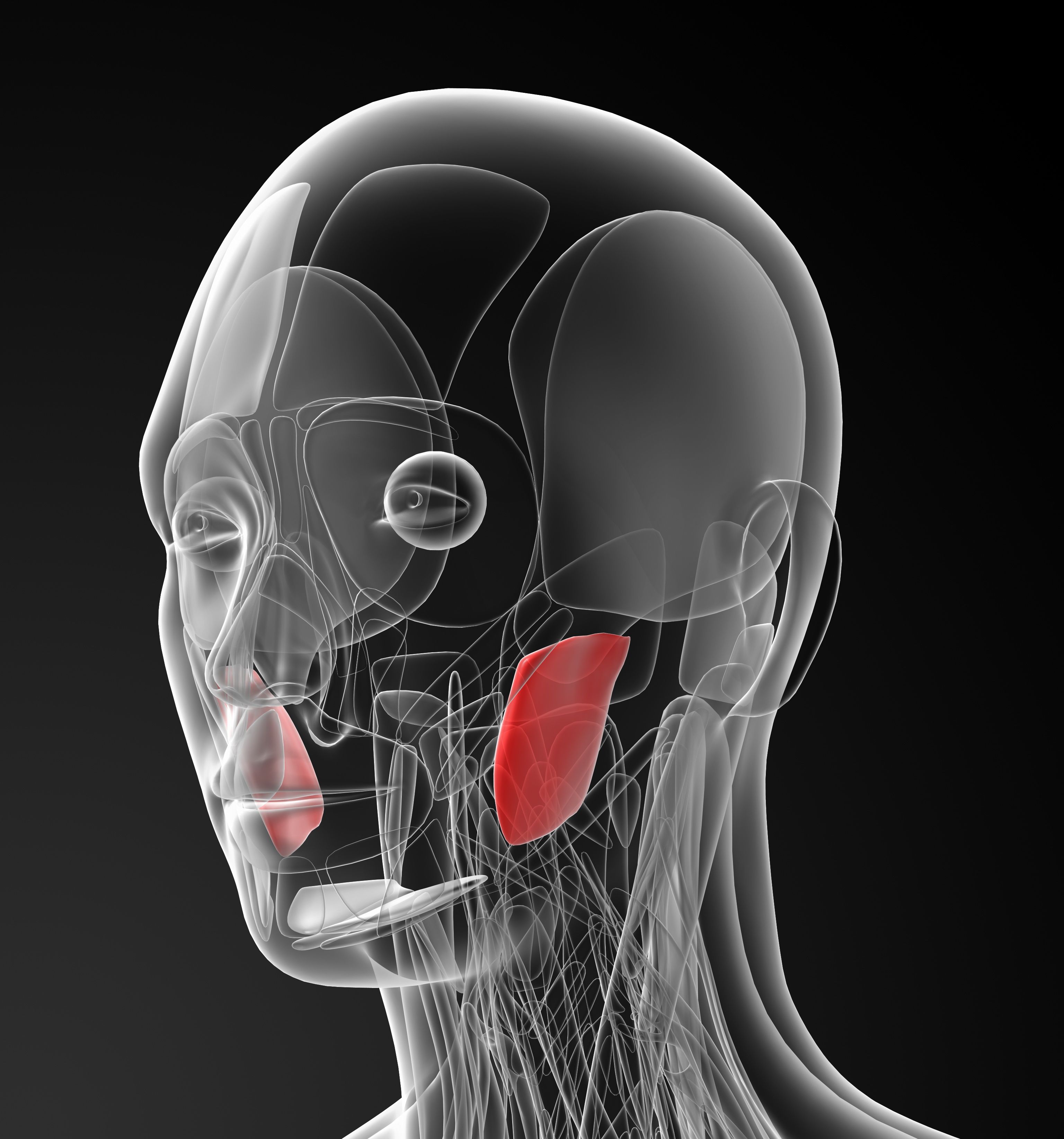
Serratus anterior
- The forgotten muscles. Quads, abs, biceps, pecs – chances are, your strength routine involves these muscle groups.
- Serratus anterior.
- The pelvic floor.
- Gluteus medius and minimus.
- Vocal fold muscles.
- Rhomboids.
- Jaw muscles.
- Adductors.
- Fat is generally considered to be the softest tissue.
- Soft tissues are distributed throughout the body and come in many types, including muscle, fat, blood, fibrous tissue, and lymphatic vessels.
- The main function of these soft tissues is to buffer, surround, support, and provide links between tissues in the body.
Ideally our body stays at 37°C, this is the temperature at which the body's core works properly. However the further we move away from the body's core the lower our temperature becomes. When we reach the extremities (hands, fingers, feet) that's where we find the coldest temperature, around 30°.You should never stick your fingers—or anything else—in your ears. “Introducing anything into the ear canal can tear the thin skin that lines the ear canal,” says John K Niparko, M.D., professor and chair of the department of otolaryngology-head & neck surgery at the Keck School of Medicine of USC.

6 Parts of Your Body You Should Never Touch With Your Hands
- Your Butt. Yes wipe and wash your buttocks but never prick.
- The Skin under Your Nails. We do not need to tell you that lots of nasty bacteria thrive under your nails.
- Your Ear Canal.
- Your Eyes.
- Your Mouth.
- Your Face.
The worst-case scenario (and most painful) would be an injury that causes breaks in your femur, hip, pelvis, and spine; since they're all connected. Pelvic fractures are often due to major trauma like motor vehicle accidents and falls from a significant height.Which is strongest to weakest bone in human body in order
- Femur: no doubt the strongest, because the strongest muscles deserve the strongest bone.
- Tibia: because when you need to run away from a predator clavicle just don't cut it.
- Humerus: easily dislocated but little less easy to break.
When it comes to the most painful bones to break, the following three are considered particular painful injuries to suffer in an accident: Femur. Tailbone. Ribs.

5 OF THE HARDEST TO TRAIN BODY AREAS
- Obliques. Pretty much everyone does the standard ab crunches, but crunches aren't going to develop your obliques.
- Calves.
- Forearms.
- Triceps.
- Lower stomach.
Fast-twitch muscles, found in the arms and legs, contract quickly and usually respond better to strength training because they're easier to overload and fatigue. They also tend to develop in size at a much faster rate. Of course, just one session in the weight room won't do the trick.What are the easiest muscles to grow in later life
- Lower Back Muscles.
- Latissimus Dorsi.
- Rhomboids.
- Abdominals.
- Hamstrings.
- Obliques.
- Calves.
- Forearm Muscles. This is more about grip strength than just your forearm muscles.
But our least-used muscles are probably the lumbar multifidus muscles in the lower back. Studies have shown that prolonged slumping in front of the TV can inactivate these muscles.
When the heart beats, it pumps blood to your lungs and the rest of your body. But in between beats, the heart muscle relaxes as it fills with blood. It relaxes only for a moment after each contraction, but that still counts as resting.Muscles like your quadricep or gluteal muscles are relatively big, and they're involved in a lot of different sitting and standing motions, so these will take more time to recover.