
“It is 100% possible to regain or to build muscle mass at age 50 or older,” agrees Rufo. “To build muscle mass, there should be a major focus on nutrition and diet. Ensuring that you're consuming the proper amount of protein (this is our favorite) is critical to muscle development.
Leia mais
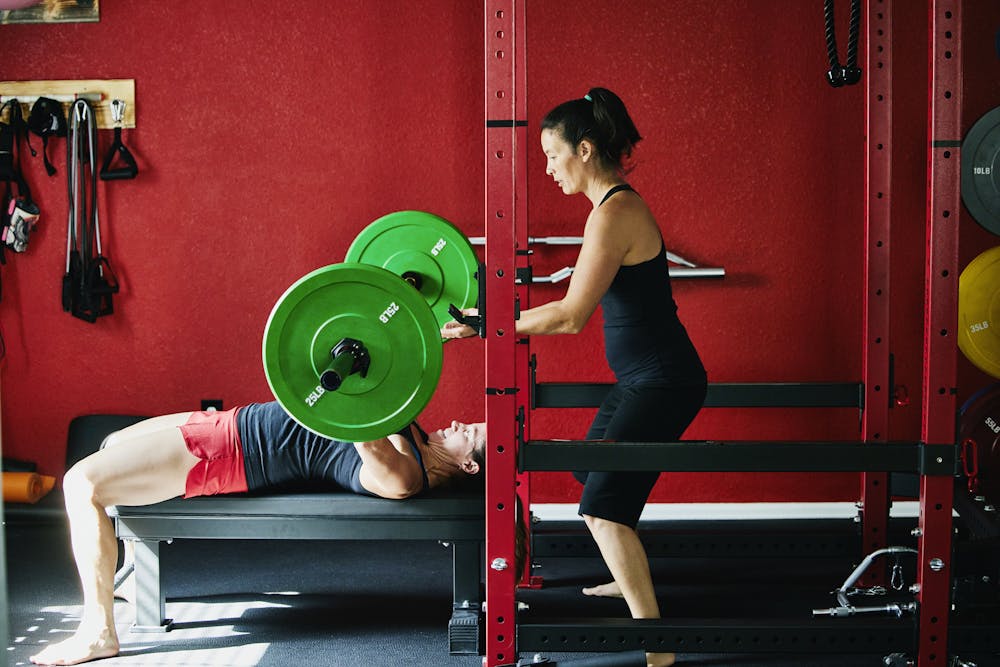
Luckily, the loss of muscle mass is mostly reversible. Numerous experts recommend resistance and weight training as the best ways to rebuild muscle. And in addition to building muscle mass, this type of exercise increases bone mass, which is another key to remaining mobile as you age.Strength training may enhance your quality of life and improve your ability to do everyday activities. Strength training can also protect your joints from injury. Building muscle also can contribute to better balance and may reduce your risk of falls. This can help you maintain independence as you age.

Can a 70 year old build muscle
Seniors Can Still Bulk Up On Muscle By Pressing Iron Our muscle mass decreases at surprising rates as we get older. But researchers found that people older than 50 can not only maintain but actually increase their muscle mass by lifting weights.
Repeated research has shown that, through weight training, men and women in their 60s and beyond can grow muscles as big and strong as an average 40-year-old.“Research shows that, even into your late 80s, your body still has the potential to build muscle mass,” Stacy Schroder, director of wellness at Masonic Village at Elizabethtown, said.A new study found that men in their 70s and 80s who had never followed an exercise regimen could build muscle mass as well as "master athletes" — those of the same age who had worked out throughout their lives and still competed at the top levels of their sports.

Eight diet tips to help you build muscle mass
- Breakfast will help build Muscle Mass.
- Eat every three hours.
- Protein with Each Meal Helps Boost Muscle Mass.
- Eat fruit and vegetables with each meal.
- Eat carbs only after your workout.
- Eat healthy fats to help build Muscle mass.
- Drinking water helps you build Muscle Mass.
What happens if you strength train everyday
You might find it hard to recover from workouts if you lift every day. Inhibited recovery: Perhaps the biggest downfall to daily strength training is that your body doesn't get a real chance to recover. This can lead to muscle overuse injuries or issues with muscle imbalances if you don't carefully plan your workouts.
“Research shows that, even into your late 80s, your body still has the potential to build muscle mass,” Stacy Schroder, director of wellness at Masonic Village at Elizabethtown, said.
Seniors Can Still Bulk Up On Muscle By Pressing Iron Our muscle mass decreases at surprising rates as we get older. But researchers found that people older than 50 can not only maintain but actually increase their muscle mass by lifting weights.
Leia mais

Seniors Can Still Bulk Up On Muscle By Pressing Iron Our muscle mass decreases at surprising rates as we get older. But researchers found that people older than 50 can not only maintain but actually increase their muscle mass by lifting weights.A new study found that men in their 70s and 80s who had never followed an exercise regimen could build muscle mass as well as "master athletes" — those of the same age who had worked out throughout their lives and still competed at the top levels of their sports.Seniors who work at it, however, can still make strength gains. “Research shows that, even into your late 80s, your body still has the potential to build muscle mass,” Stacy Schroder, director of wellness at Masonic Village at Elizabethtown, said.Seniors Can Still Bulk Up On Muscle By Pressing Iron Our muscle mass decreases at surprising rates as we get older. But researchers found that people older than 50 can not only maintain but actually increase their muscle mass by lifting weights.

Seniors who work at it, however, can still make strength gains. “Research shows that, even into your late 80s, your body still has the potential to build muscle mass,” Stacy Schroder, director of wellness at Masonic Village at Elizabethtown, said.Nutrients, growth hormones and weight training all result in an increase in skeletal muscle mass in healthy individuals.WHAT TO EAT TO GAIN MUSCLE MASS EFFECTIVELY
- Lean meat. Animal products are usually a great source of protein, especially lean meats like chicken and turkey [2].
- Eggs.
- Dairy products.
- Fish.
- Whole grains.
- Beans and lentils.
- Whey protein.
"Working out when sore is okay as long as it isn't affecting your movement to the point where it's causing you to compensate and do something in a way that's unsafe," says Dr. Hedt. "Muscle soreness can be a deterrent to exercising, but it's temporary and the more you exercise, the less you should feel it.
Two Days
The Answer Rest One or Two Days Per Week. For the best performance and to reach your goals in the safest and most effective way possible, plan for one to two rest days per week.Seniors Can Still Bulk Up On Muscle By Pressing Iron Our muscle mass decreases at surprising rates as we get older. But researchers found that people older than 50 can not only maintain but actually increase their muscle mass by lifting weights.Heber says absolutely. In fact, new research published in the journal Medicine & Science In Sports & Exercise finds older adults who begin lifting weights after 50 may win the battle against age-related muscle loss. Palais started weight training to build bone mass. But she built muscle mass as well.After doing specific training for 12 weeks, people over the age of 90 improved their strength, power and muscle mass.

Heber says absolutely. In fact, new research published in the journal Medicine & Science In Sports & Exercise finds older adults who begin lifting weights after 50 may win the battle against age-related muscle loss. Palais started weight training to build bone mass. But she built muscle mass as well.According to the exercise physiologist Brad Schoenfeld, there are three primary mechanisms of muscle growth: Muscle tension, metabolic stress and muscle damage. Oftentimes all of these factors are correlated with the amount of weight you lift.