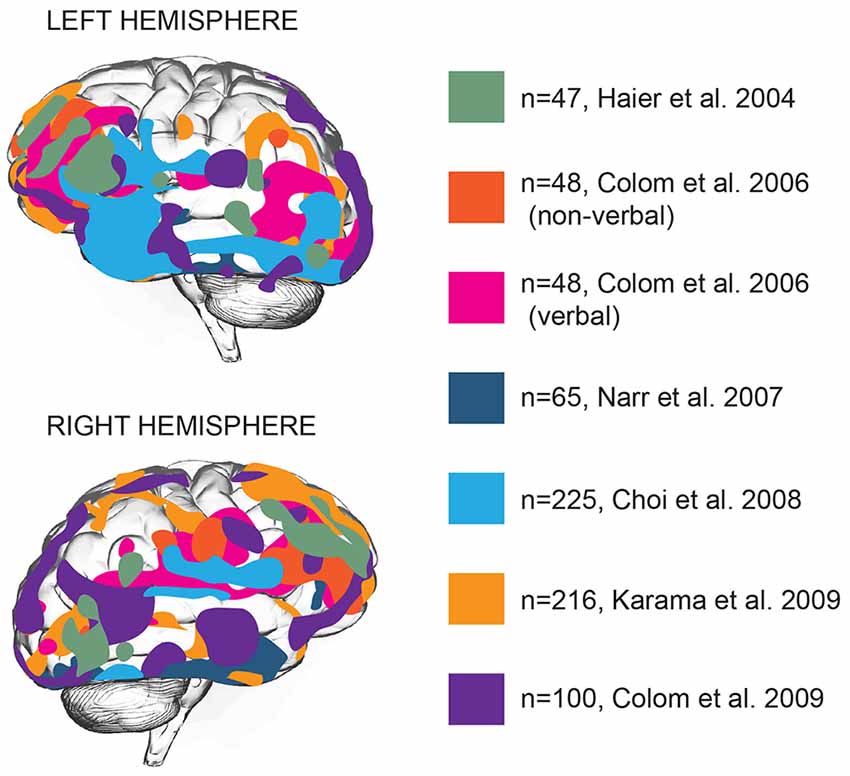
Like most aspects of human behavior and cognition, intelligence is a complex trait that is influenced by both genetic and environmental factors.
Leia mais
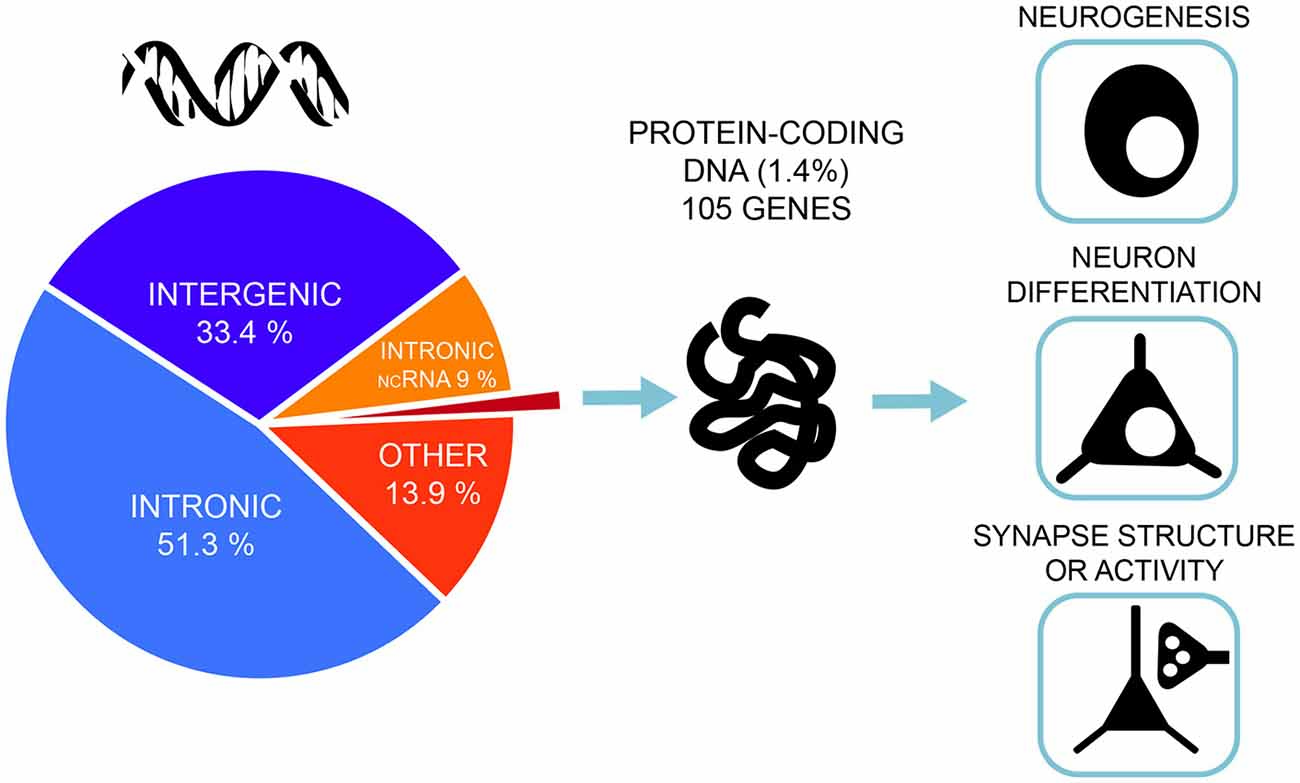
Early twin studies of adult individuals have found a heritability of IQ between 57% and 73%, with some recent studies showing heritability for IQ as high as 80%. IQ goes from being weakly correlated with genetics for children, to being strongly correlated with genetics for late teens and adults.Scientists don't know exactly what causes someone to be a genius. There is probably a genetic component to your level of intelligence. Certain types of genes influence how much intellectual power you have. Your child's genetic influences affect their motivation, confidence, and other traits.
Does IQ change with age
An individual's IQ does not change with age. In other words: if you did an IQ test now and then another one in 10 years' time, your IQ score will probably be very similar. This is because IQ is always measured relative to other people your age.
Training your memory, executive control, and visuospatial reasoning can help to boost your intelligence levels. The best way to train these areas of your brain is to engage in thoughtful activities and games, learn new skills, and keep your brain active.Some signs that often appear in children include:
- Intense need for mental stimulation and engagement.
- Ability to learn new topics quickly.
- Ability to process new and complex information rapidly.
- Desire to explore specific topics in great depth.
- Insatiable curiosity, often demonstrated by many questions.
The cause of the IQ decline is due to environmental factors, and not genetics, said Ole Rogeburg, a senior research fellow at Ragnar Frisch Centre and co-author of the study on IQ scores, published in the Proceedings of the National Academy of Sciences journal.

In addition to slowing down physically, most people lose points on intelligence tests as they enter their golden years. Now, new research suggests the loss of certain types of cognitive skills with age may stem from problems with basic sensory tasks, such as making quick judgments based on visual information.
Does IQ increase with age
Abilities change, but IQ scores tend to be very stable. However the intelligence ability is changing during the life, the IQ (intelligence quotient) does not. This measure is defined to have mean of 100 in each age group. So the average IQ e.g. in the age 5 is 100, and the same in the age 50.
Scientists have long known that our ability to think quickly and recall information, also known as fluid intelligence, peaks around age 20 and then begins a slow decline.
Does an individual's IQ change with age An individual's IQ does not change with age. In other words: if you did an IQ test now and then another one in 10 years' time, your IQ score will probably be very similar. This is because IQ is always measured relative to other people your age.
Leia mais

Scientists have long known that our ability to think quickly and recall information, also known as fluid intelligence, peaks around age 20 and then begins a slow decline.Scientists have long known that our ability to think quickly and recall information, also known as fluid intelligence, peaks around age 20 and then begins a slow decline.Scientists have long known that our ability to think quickly and recall information, also known as fluid intelligence, peaks around age 20 and then begins a slow decline.