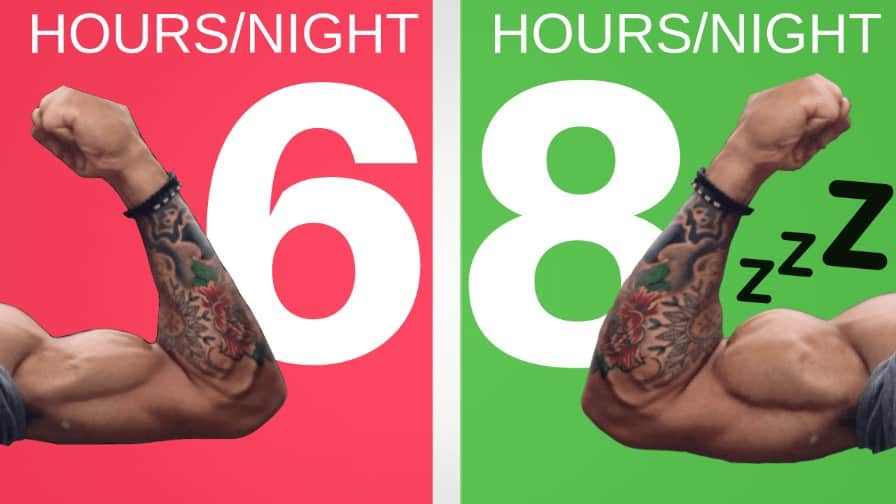
Sleeping for 7-9 hours per night is crucial, especially if you are looking to change body composition, increase muscle mass and/or if you want to be ready for your personal training session the next day. Sleep enhances muscle recovery through protein synthesis and human growth hormone release.
Leia mais
To get optimal gains in maximum strength, the body needs a complete recovery, so 48 to 72 hours. In concrete terms, if you perform a chest session, you will need to wait between 2 to 3 days before working the same muscle group again.8-10 hours
Sleep research is not conclusive on this point but many bodybuilders will attest to the benefits of a complete night of uninterrupted sleep (8-10 hours).

How much sleep do bodybuilders get
There's no point in doing hardcore workouts if you're consistently getting less than 6-hours of sleep per night. 8-hours is ideal, while 9-10 hours is even better. Remember, you can use mid-day naps to boost your overall sleeping time and that may actually be more beneficial than getting all of your sleep overnight.
The recommended time for muscle recovery is 48-72 hours. This will depend on your body composition, diet, physical activity, and strength.Workouts should last no less than 60 minutes and no more than 90 minutes. This is sufficient time to challenge your body with quality reps. Anything more, and you'll see diminished returns for your efforts. If you feel inclined to train longer, it's best to split up your workout.THE MAJORITY OF MUSCLE REPAIR AND GROWTH OCCURS DURING SLEEP WHEN HORMONES ARE RELEASED.

“Naps are the body's way to facilitate physical recovery after a long or hard workout,” Bender. said “During sleep, different hormones are released such as testosterone and growth hormone which helps repair and build muscles and other tissues in the body.”
Do muscles grow while awake
Muscle growth is higher in the daytime, which is regulated by the biological clock – new study.
It's after you finish your workout, when you're downing your post-workout shake and relaxing on the couch that your body is busy making new muscle protein. This muscle recovery time period is limited and lasts up to 48 hours, according to Peter Tiidus, A.
8-10 hours
Sleep research is not conclusive on this point but many bodybuilders will attest to the benefits of a complete night of uninterrupted sleep (8-10 hours).
Leia mais

Lifestyle-related signs of overtraining
- Prolonged general fatigue.
- Increase in tension, depression, anger or confusion.
- Inability to relax.
- Poor-quality sleep.
- Lack of energy, decreased motivation, moodiness.
- Not feeling joy from things that were once enjoyable.
How to tell if you're gaining muscle
- You're gaining weight. Tracking changes in your body weight is one of the easiest ways to tell if your hard work is paying off.
- Your clothes fit differently.
- Your building strength.
- You're muscles are looking “swole”
- Your body composition has changed.
So, what exactly is "too much" exercising Well, it depends on factors like your age, health, and choice of workouts. But in general, adults should get around five hours a week of moderate exercise or two and a half hours of more intense activity.“During the deepest stage of NREM sleep, the pituitary gland secretes about 70 percent of the hGH it makes, which stimulates tissue growth and helps repair muscles from both exercise and normal daily wear and tear.” HGH has also been shown to help heal damage to tendons and ligaments by synthesizing collagen.
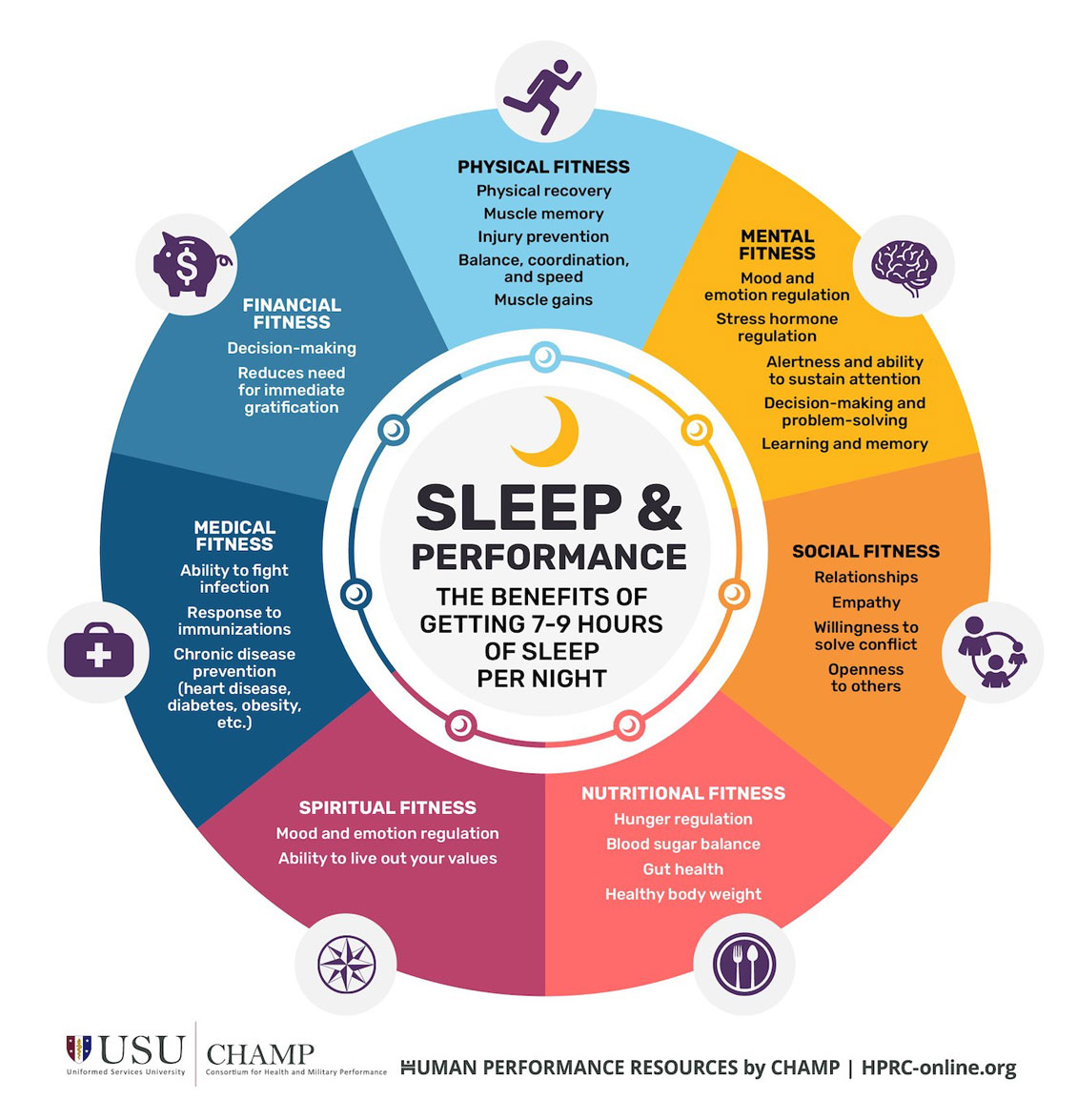
“Naps are the body's way to facilitate physical recovery after a long or hard workout,” Bender. said “During sleep, different hormones are released such as testosterone and growth hormone which helps repair and build muscles and other tissues in the body.”Pharmacological inhibition of protein degradation led to an increase in muscle growth specifically at night. These results indicate that muscle anabolism and catabolism are more active in the day and at night, respectively.Sleep helps to release growth hormones during rapid eye movement (REM) sleep which helps with muscle repair.Sleep helps to release growth hormones during rapid eye movement (REM) sleep which helps with muscle repair.

“Naps are the body's way to facilitate physical recovery after a long or hard workout,” Bender. said “During sleep, different hormones are released such as testosterone and growth hormone which helps repair and build muscles and other tissues in the body.”Typically, muscle mass and strength increase steadily from birth and reach their peak at around 30 to 35 years of age. After that, muscle power and performance decline slowly and linearly at first, and then faster after age 65 for women and 70 for men.How to tell if you're gaining muscle
- You're gaining weight. Tracking changes in your body weight is one of the easiest ways to tell if your hard work is paying off.
- Your clothes fit differently.
- Your building strength.
- You're muscles are looking “swole”
- Your body composition has changed.
Sleep helps increase muscle mass
“The synthesis of myofibrillar proteins is a metabolic process that's most responsible for changes in muscle mass after any type of resistance training,” says Dr. Gress Smith.

Overtraining is more than simply being tired, running poorly, and getting injured. OTS can result in irreversible changes to multiple body systems, causing permanent changes to not only running capacity, but one's overall quality of non-running life.How to Speed Up Your Recovery After a Tough Workout
- Drink a lot of water. Hydrating after a workout is key to recovery.
- Get enough sleep. Getting proper rest is easily one of the most effective ways to recover from any form or degree of physical exertion.
- Eat nutritious food.
- Massage.