
While there are many species of native snakes in the state of Florida, many are non-venous and not threatening to humans. The good news is that snakes are rarely abundant in any one location, which means a snake infestation at your home is highly unlikely.
Leia mais
Snakes, which include 44 species of natives, “play an interesting and vital role in Florida's complex ecology,” according to the Florida Fish and Wildlife Conservation Commission. They are found in coastal mangroves, freshwater wetlands and dry uplands and in residential areas.Most Florida snakes are harmless and beneficial and remove extra rodent populations. Even the venomous species are not particularly dangerous unless stepped on or otherwise provoked. Most snakes you encounter are most likely to be non-venomous.
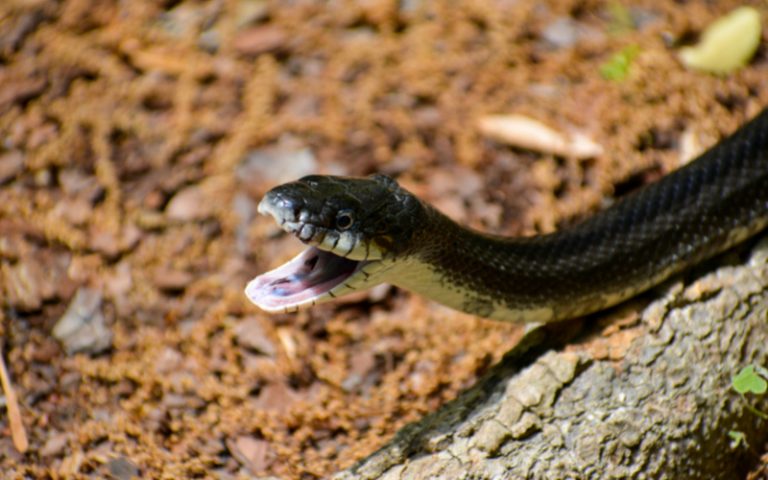
What months are snakes most active in Florida
As temperatures rise in South Florida, snakes become more active during snakebite season. Every year from April to October, the number of snake bites spike due to the warmer temperatures.
Snakes enter homes and other buildings to find dark, moist, cool areas to search for their next meal. They can make their way through screens, small cracks, and spaces around the foundation of your house, open vents, pipes, and any other space that may provide a small entryway to your home.Pretty any snake can last 4-5 weeks without eating, and most can survive for two months.Seal crevices
Closer to your home, seal the openings where snakes like to set up shop. "Check the clearance of door bottoms, weep holes, openings where pipes enter, cracks and spaces under eaves," AWR recommended. "Don't neglect storerooms and sheds."

Snakes enter a building because they're lured in by dark, damp, cool areas or in search of small animals, like rats and mice, for food. Snakes can be discouraged from entering a home in several ways. Keeping the vegetation around the house cut short can make the home less attractive to small animals and snakes.
How do you keep snakes away from your house in Florida
Fencing of aluminum flashing, hardware cloth (1/4"), or silt fencing 2–3 feet high buried 6 inches in the ground should deter most snakes from gaining access to certain areas of your yard (Figure 7).
If you discover a snake in your house, act as soon as possible, for both the snake's and your peace of mind: Remain calm and avoid disturbing the snake or driving her into hiding. If possible, carefully open a nearby door and use a broom to gently herd the snake outside.
In fact, it's fairly common for snakes to make their way into homes and commercial structures through small holes and cracks. Snakes can easily make a home in a crawl space, but they're also quite capable of moving into your attic or any room of the house for that matter.
Leia mais

Remember snakes do not usually live in colonies, so you could have a solitary snake. Just because you saw one, there is no need to panic and think that you have a house infested with millions of snakes.If you discover a snake in your house, act as soon as possible, for both the snake's and your peace of mind:
- Remain calm and avoid disturbing the snake or driving her into hiding.
- If possible, carefully open a nearby door and use a broom to gently herd the snake outside.
Sulfur: Powdered sulfur is a great option to repel snakes. Place powdered sulfur around your home and property and once snakes slither across it, it irritates their skin so they won't return.Georgia DNR Biologist Daniel Sollenberger said it's not uncommon for snakes to get into homes. “Being small, means they can get in small cracks at times and sometimes wind up in houses and garages,” he said. “Snakes can get into some small spaces but they are not magicians.”

If you discover a snake in your house, act as soon as possible, for both the snake's and your peace of mind: Remain calm and avoid disturbing the snake or driving her into hiding. If possible, carefully open a nearby door and use a broom to gently herd the snake outside.Georgia DNR Biologist Daniel Sollenberger said it's not uncommon for snakes to get into homes. “Being small, means they can get in small cracks at times and sometimes wind up in houses and garages,” he said. “Snakes can get into some small spaces but they are not magicians.”Snakes enter a building because they're lured in by dark, damp, cool areas or in search of small animals, like rats and mice, for food. Snakes can be discouraged from entering a home in several ways. Keeping the vegetation around the house cut short can make the home less attractive to small animals and snakes.Snakes enter a building because they're lured in by dark, damp, cool areas or in search of small animals, like rats and mice, for food. Snakes can be discouraged from entering a home in several ways. Keeping the vegetation around the house cut short can make the home less attractive to small animals and snakes.

They also flock inside homes when the weather wreaks havoc with their cold-blooded bodies. For example, during periods of extreme heat, the pests seek out leaky water pipes and other cool, damp areas. Additionally, snakes in houses are commonly found in walls, crawl spaces, basements, attics, and drop ceilings.Snakes will hide behind the refrigerator, under the oven, under your bed, or inside cabinets. Snakes will avoid human activity. Some of the most common areas of the house to find a snake include crawl spaces, basements, garages, and attics (can snakes climb)