
Running and exercise itself won't age your skin. According to the American Academy of Dermatology, it can actually help to exercise most days of the week.
Leia mais
Running increases the production of human growth hormone—your body's natural youth serum. "This helps you produce new cells, which can make your skin look a lot more youthful," says Webb.The study found that between age 40 and 70, runners slowed by a linear rate of about one percent each year. When runners reached their late 70s, they began to decline by about 1.5 percent, and between 90 and 95, that rate accelerated to two to three percent decline.
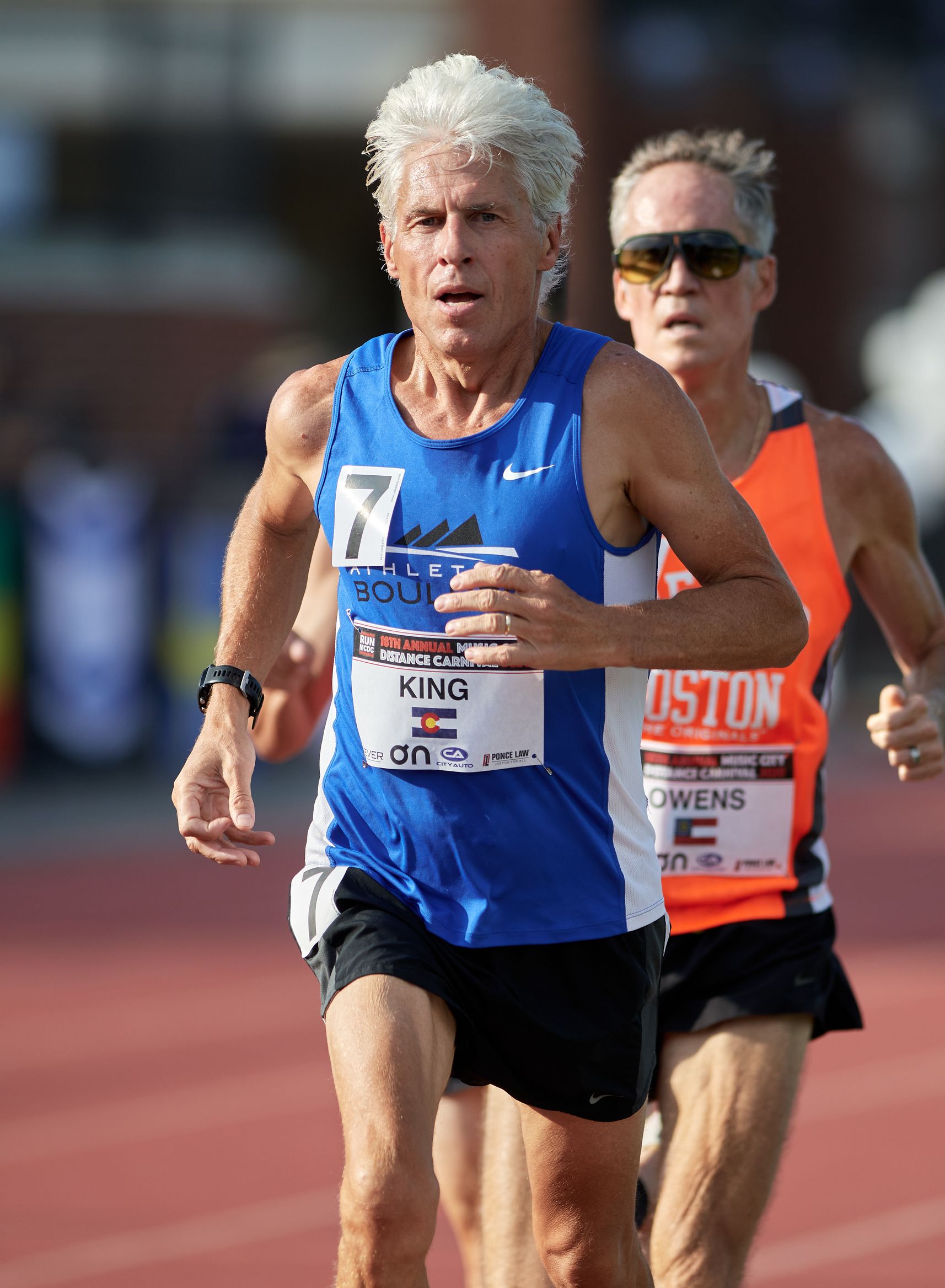
Do runners get faster with age
Runners slow down naturally as they get older. Here's why and what you can do about it. Whether you're 35 or 65, chances are high that your fastest run times are behind you. It happens to all of us—as the years creep by, we slow down.
Runners often have wrinkles for reasons other than running itself. Many runners spend long hours outdoors without proper sun protection, so the wrinkles are a result of sun exposure. Runners are also often people who have lost a lot of weight, so the wrinkles are from the skin that was previously filled with fat.What is runner's face If you haven't heard the term, you've likely seen it. It is the face of a lifelong runner with leathery, saggy skin and a gaunt appearance. It is the result of lots of sun exposure and little body fat.But another reported downside to running is called “runner's face”. Runner's face is a condition that causes sagging of facial skin, deepening of wrinkles, and hollow cheeks. The prominent appearance of the bones in the face makes a runner look gaunt and can present advanced signs of aging well before their time.

Runners may live up to three years longer than non-runners. We already know the many health benefits of cardiovascular exercise, such as running. Running, and other similar exercises, lowers the risk of heart disease and other cardiovascular health issues.
Why are older runners faster
“Your perception of time changes with age. You become more patient in training and in racing … rather than fretting about the distance, we just cruise along in a more relaxed frame of mind,” he says.
Researchers pooled data from 14 studies. They looked to see if there was a link between runners and death risk – primarily from cardiovascular disease and cancer. Results showed any amount of running was associated with lower risk of death.
Runner Demographics
| Typical U.S. Female Runner | Typical U.S. Male Runner |
|---|---|
| Demographics | |
| Average Age: 38.6 61.9% Married 78.7% College educated 69.0% Earn a household income of $75,000+ | Average Age: 44.8 73.5% Married 78.8% College educated 76.4% Earn a household income of $75,000+ |
| Running History |
Leia mais
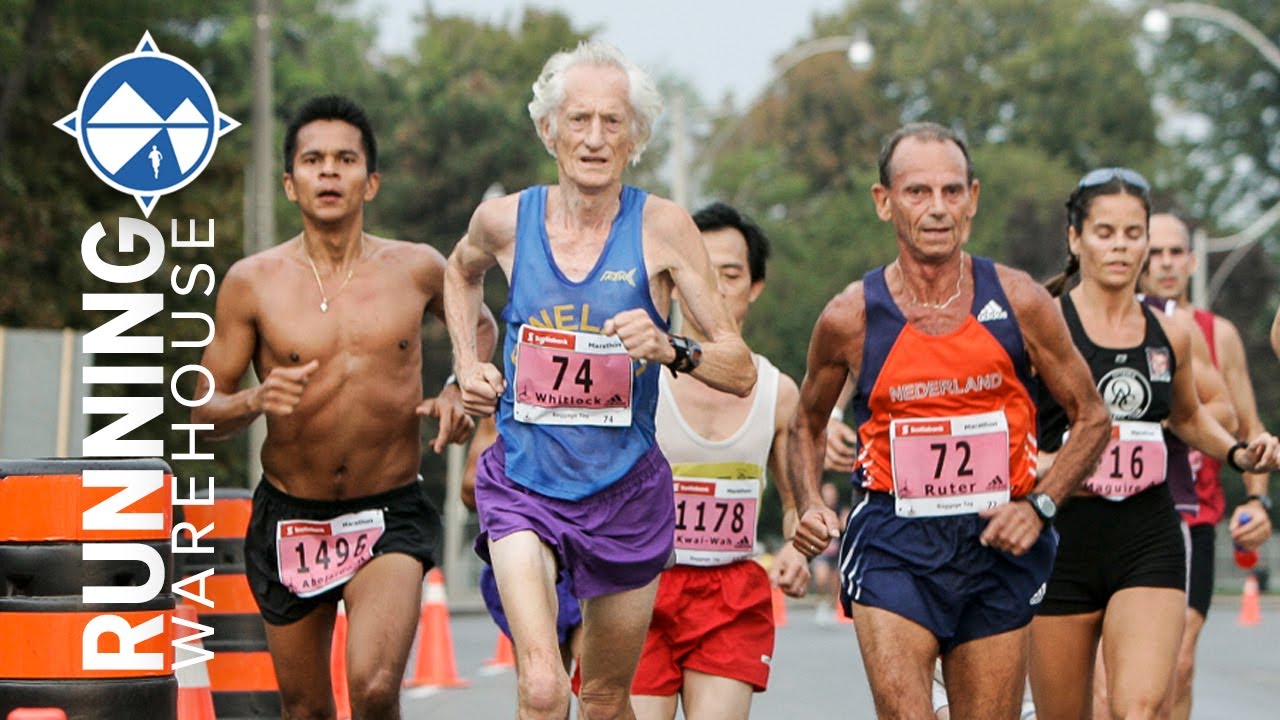
These plastic surgeons tried to claim that the bouncing of running can lead to wrinkles and sagging skin, but there is no scientific evidence to support this. Rather the look of runner's face can be attributed to sun damage, free radicals, and low body fat.What Is Runner's Face Runner's face is a term used to describe the characteristic skin changes in the face that lifelong runners may experience over time, such as leathery, saggy-looking skin, premature wrinkles, sunken eyes, and an overall gaunt appearance.Runner's face is a term used to describe the characteristic skin changes in the face that lifelong runners may experience over time, such as leathery, saggy-looking skin, premature wrinkles, sunken eyes, and an overall gaunt appearance.The reason, according to the believers, is that all the bouncing and impact from running causes the skin on your face, and more specifically, your cheeks, to sag. Some people also point to low body fat, or too much sun exposure, both of which are more realistic culprits than the bouncing theory.

The answer: tennis. People who regularly play tennis have the longest life expectancy compared with people who do other activities, such as jogging, swimming, or bicycling.between 25 and 35 years
The age of peak marathon performance has previously been studied using different sampling approaches (e.g., elite athletes, top age-groupers, all finishers, etc.) and has been estimated to occur between 25 and 35 years.3. Running Makes You Last Longer. A study published in the American Journal of Cardiology found a strong link between running endurance and sexual endurance. More specifically, each extra minute of running on the treadmill results in an additional two to three minutes of sexual activity.Runner's face is a term used to describe the characteristic skin changes in the face that lifelong runners may experience over time, such as leathery, saggy-looking skin, premature wrinkles, sunken eyes, and an overall gaunt appearance.

Many runners spend long hours outdoors without proper sun protection, so the wrinkles are a result of sun exposure. Runners are also often people who have lost a lot of weight, so the wrinkles are from the skin that was previously filled with fat.What is runner's stomach Runner's stomach refers to the gastrointestinal (GI) distress that occurs during a run or bouts of exercise—resulting in cramping, bloating, nausea, diarrhea, vomiting, and pain. Runner's trots and runner's belly are other common names for these symptoms.Runners often have wrinkles for reasons other than running itself. Many runners spend long hours outdoors without proper sun protection, so the wrinkles are a result of sun exposure. Runners are also often people who have lost a lot of weight, so the wrinkles are from the skin that was previously filled with fat.Sign In
- Wearing sunglasses while running to avoid squinting/frowning.
- Always wearing sunscreen—even when running outside in the winter—to reduce sun damage.
- Moisturizing after runs using an anti-aging or lifting/plumping day cream to rehydrate skin (even if you feel like you're super sweaty).

7 Best Sports For A Longer Life Expectancy
- Calisthenics (3.1 years)
- Walking or jogging (3.2 years)
- Swimming (3.4 years)
- Cycling (3.7 years)
- Soccer (4.7 years)
- Badminton (6.2 years)
- Tennis (9.7 years)
Marathon running performance among men and women is generally fastest, as indicated by world record performances, when individuals are 25-35 years old. The time to complete a marathon gradually increases with age, with substantial losses in performance after the age of 70 years.